Moving heavy construction materials between different levels of a building can become a major productivity challenge. Cement bags, tiles, tools, fabricated components, equipment, and other loads often need to be transported repeatedly throughout the working day. Industrial Goods Lifts provide a practical mechanical solution for handling this vertical movement while reducing dependence on manual material carrying.
For construction contractors and project teams in Nagpur and across Maharashtra, selecting a suitable goods lift requires more than simply checking its lifting capacity. Site conditions, operating height, loading pattern, safety arrangements, installation space, and frequency of use all influence equipment selection.
What Is an Industrial Goods Lift?
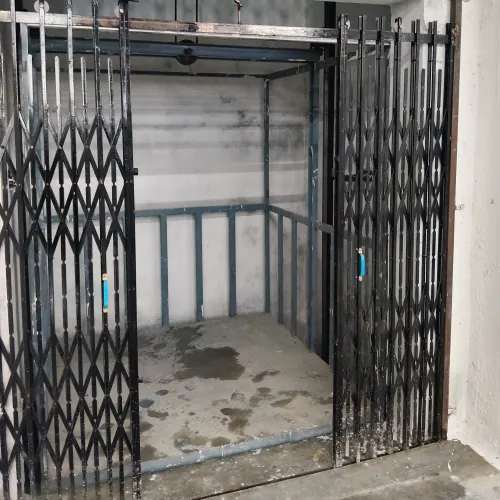
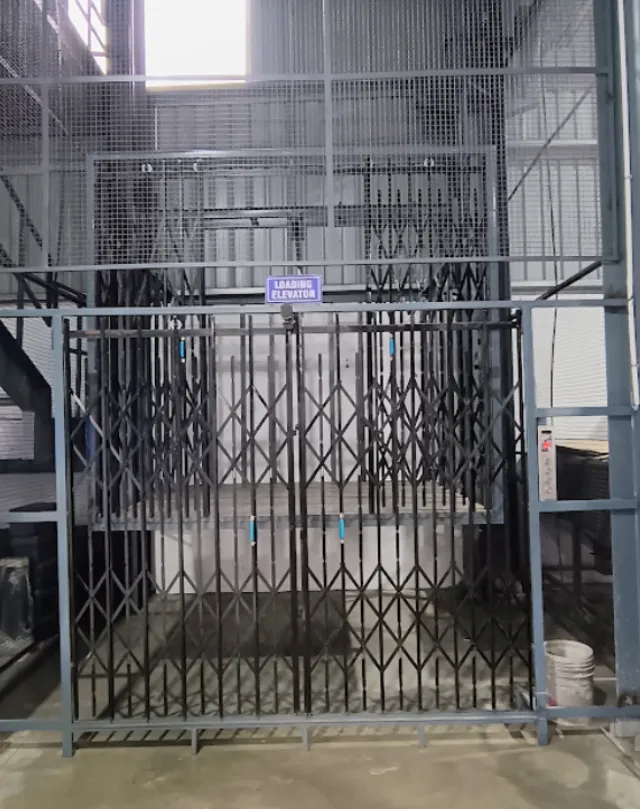
An industrial goods lift is designed primarily to transport materials between different working levels. Unlike passenger elevators, these systems are generally configured around material-handling requirements.
Depending on the design, they can help move:
- Cement bags
- Construction tools
- Tiles
- Electrical materials
- Plumbing supplies
- Fabricated components
- Equipment parts
- Packaged construction materials
The objective is to create a more organized flow of materials while reducing repeated manual movement.
Why Material Movement Deserves Planning
Vertical material handling can easily become a bottleneck on multi-level projects.
When workers repeatedly carry materials through stairways or temporary access routes, significant labour time can be consumed without directly contributing to construction progress. Heavy or awkward loads can also be difficult to handle safely.
A properly selected goods lift can help establish a predictable material movement route. Workers at different levels can receive required supplies without constantly shifting manpower away from their primary activities.
Capacity Must Match Actual Site Loads
One common mistake is selecting lifting equipment based only on the maximum weight of a single material.
Project managers should instead examine typical operating loads. Consider what will normally be transported together, how frequently the lift will operate, and whether load requirements could change during later construction phases.
Important questions include:
- What is the typical load per trip?
- What is the maximum expected load?
- How many floors require material movement?
- How frequently will the equipment operate?
- What platform dimensions are practical?
- Is adequate installation space available?
These details help prevent both undersizing and unnecessary oversizing.
Safety Features Require Equal Attention
Industrial lifting equipment should be operated according to the manufacturer's instructions and applicable site safety procedures.
Site teams should review equipment specifications, installation requirements, controls, gates or barriers, load restrictions, inspection routines, and maintenance needs before regular operation begins.
Operators must also understand that exceeding the rated capacity can create unnecessary equipment stress and safety risks.
Site Layout Influences Equipment Selection
Two projects with similar building heights may require different lifting arrangements.
A congested urban construction site may have limited installation space, while an industrial project may provide considerably more room. Loading access, surrounding structures, power availability, and the position of working floors can influence the practical configuration.
Planning the lift position early can also help reduce unnecessary horizontal material movement after a load reaches the required level.
Improving Material Flow Through Better Equipment Planning
Industrial goods lifts are most useful when they form part of a broader material-handling plan. Contractors can coordinate delivery schedules, storage zones, loading points, and floor-level requirements around the lifting system.
Nagpur's expanding residential, commercial, infrastructure, and industrial construction activity creates varied material-handling requirements. Equipment suppliers such as Ovi Enterprises can help project teams examine practical specifications based on the nature of the site rather than treating every project identically.
The right goods lift is ultimately one that matches actual loads, working height, site conditions, and operating frequency. Careful selection can support smoother material movement while allowing construction teams to use labour more efficiently.
Keywords