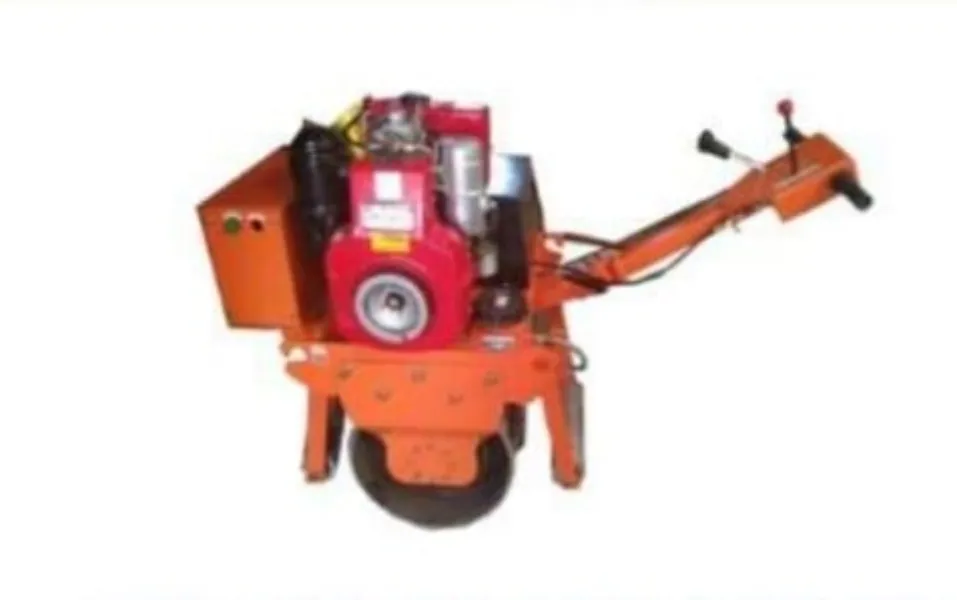
Small road projects, pathways, parking areas, landscaping work, repair zones, and confined construction sites often need compaction equipment that can operate where larger rollers are impractical. A Walk Behind Single Drum Vibrator Roller combines mechanical compaction with relatively compact dimensions, making it useful for selected soil and surface preparation tasks.
Before purchasing one, contractors should evaluate the application carefully. Machine weight alone does not determine whether a roller is appropriate.
Check the Material First
The material being compacted should guide equipment selection.
Vibratory rollers are commonly considered for granular layers and other suitable materials where vibration assists particle rearrangement. Application requirements can differ considerably between soil preparation and asphalt-related work.
If a project has specified compaction requirements, the engineering specification should remain the primary reference.
Evaluate Working Width
Drum width affects both productivity and accessibility.
A wider working area may help cover open sections more quickly, but compact dimensions can be valuable around structures or within constrained sites.
Measure the areas where the roller will actually operate instead of judging machine size from photographs or general product categories.
Review Vibration Characteristics
The vibratory action is central to the machine's compaction performance.
Buyers should review manufacturer specifications and discuss the intended material with the supplier. The goal is to select equipment suitable for the type and scale of work rather than simply choosing the highest specification available.
Consider Operator Control
Walk-behind equipment places the operator close to the machine, making control layout and practical handling important.
Before procurement, consider:
- Starting procedure
- Forward movement
- Reverse movement where provided
- Steering effort
- Vibration controls
- Emergency arrangements
- Operator visibility
- General maneuverability
Operators should receive appropriate instructions before using unfamiliar equipment.
Think About Transportation Between Sites
Civil contractors frequently move compact equipment between multiple locations.
Machine dimensions, loading requirements, vehicle capacity, and unloading arrangements therefore deserve consideration. Equipment that performs well on site but is difficult to transport may create additional logistical work.
This is particularly relevant to equipment rental businesses serving projects throughout Nagpur and nearby parts of Maharashtra.
Ask About Routine Maintenance
Construction machinery is exposed to dust, vibration, moisture, and demanding operating environments.
Ask what routine inspections are recommended and how frequently servicing is required. Availability of consumables or replacement components can also influence long-term practicality.
A low initial purchase price may be less attractive if routine maintenance becomes difficult.
Match the Roller to Future Work
Procurement teams should consider not only the immediate project but also the expected project pipeline.
If upcoming work includes pathways, road repairs, landscaping bases, parking areas, or smaller civil works, a compact roller may have broader utilization potential.
Companies such as Ovi Enterprises can help contractors compare construction equipment based on application, site conditions, expected usage, and logistical requirements.
The most useful buying checklist is ultimately simple: identify the material, measure the work area, establish the required compaction task, evaluate controls, review transport needs, and understand maintenance support. This approach helps ensure that a walk-behind roller is selected for real site requirements rather than specifications that may never be used.
Keywords