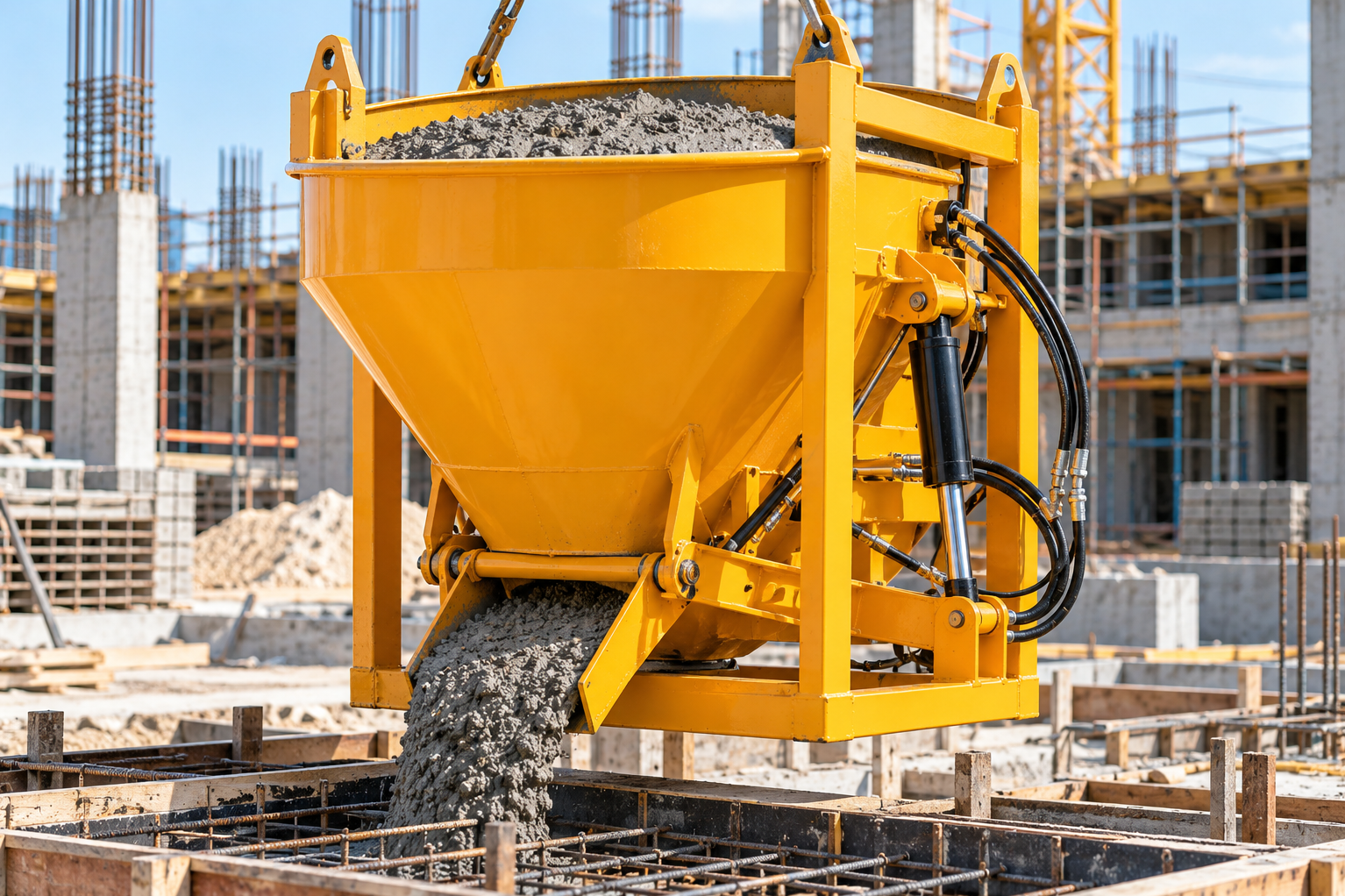
Concrete preparation becomes increasingly demanding when contractors need repeatable output across active construction sites. A Hydraulic Hopper Concrete Mixture Machine can reduce some of the manual effort associated with loading materials into a mixer by using a hydraulic hopper arrangement as part of the mixing process.
For builders, civil contractors, equipment rental businesses, and procurement teams, the purchasing decision should focus on output requirements, loading arrangement, mixer construction, power configuration, mobility, maintenance, and after-sales support.
Understand the Hopper Advantage
Traditional material loading can require considerable manual handling depending on the mixer design and site arrangement.
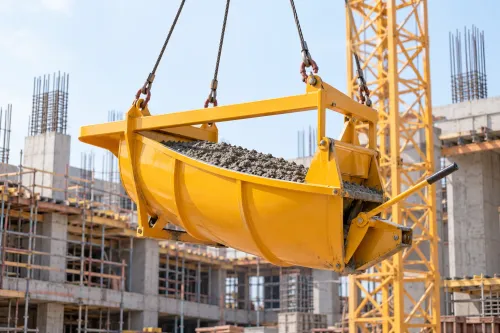
A hydraulic hopper provides a mechanized method for raising material for loading into the mixing drum. This can make batch preparation more organized when the equipment is properly matched to site requirements.
It does not remove the need for correct batching. Cement, aggregate, sand, water, and other specified ingredients still need to follow the approved concrete mix requirements.
Determine Required Production
Before comparing machines, estimate the amount of concrete the project needs during normal operation.
A machine should not be selected simply because it has a larger drum or appears more powerful.
Consider:
- Typical daily concrete requirement
- Batch frequency
- Number of active work fronts
- Concrete placement rate
- Labour available
- Space for material storage
- Future project requirements
Production planning helps buyers avoid equipment that is either insufficient or unnecessarily large.
Examine Drum Construction
The mixing drum is central to the machine.
Buyers should examine its construction, operating arrangement, mixing mechanism, structural quality, and maintenance requirements.
Repeated exposure to aggregates and cement creates wear, making robust construction important for equipment expected to see frequent use.
Review the Hydraulic System
Because the hopper relies on hydraulic operation, its components deserve specific attention.
Ask about routine hydraulic maintenance, inspection points, operating procedures, and service requirements. Operators should know how to recognize leakage, unusual movement, or other signs that require inspection.
Preventive attention can help reduce unexpected downtime.
Check Site Mobility
Some contractors operate a mixer at one fixed location for extended periods. Others move equipment frequently between projects.
If regular transportation is expected, consider overall dimensions, weight, loading arrangements, towing or transport requirements where applicable, and the conditions at typical sites.
Equipment rental companies should pay particular attention to this because transport affects every rental cycle.
Compare Long-Term Cost
Purchase price should be considered alongside productivity and operating cost.
A machine that reduces repetitive manual loading may provide operational benefits, but the actual return depends on utilization. Contractors should estimate how often the machine will work, expected maintenance costs, labour requirements, and potential downtime.
For construction companies handling projects around Nagpur and throughout Maharashtra, Ovi Enterprises provides a local point for discussing machinery requirements based on actual workloads.
The most suitable hydraulic hopper concrete mixture machine is not necessarily the largest model available. It is the machine whose output, loading method, mobility, maintenance requirements, and operating characteristics align with the contractor's regular project needs.
Keywords