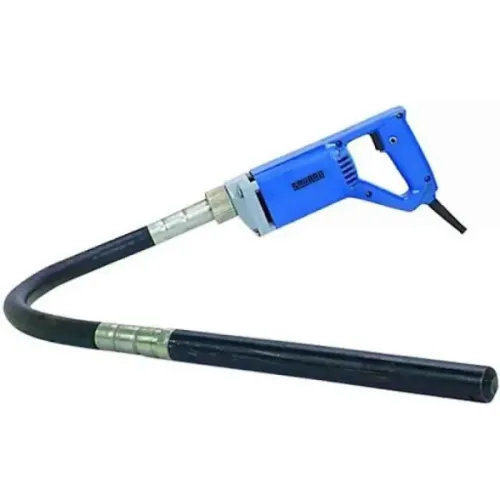
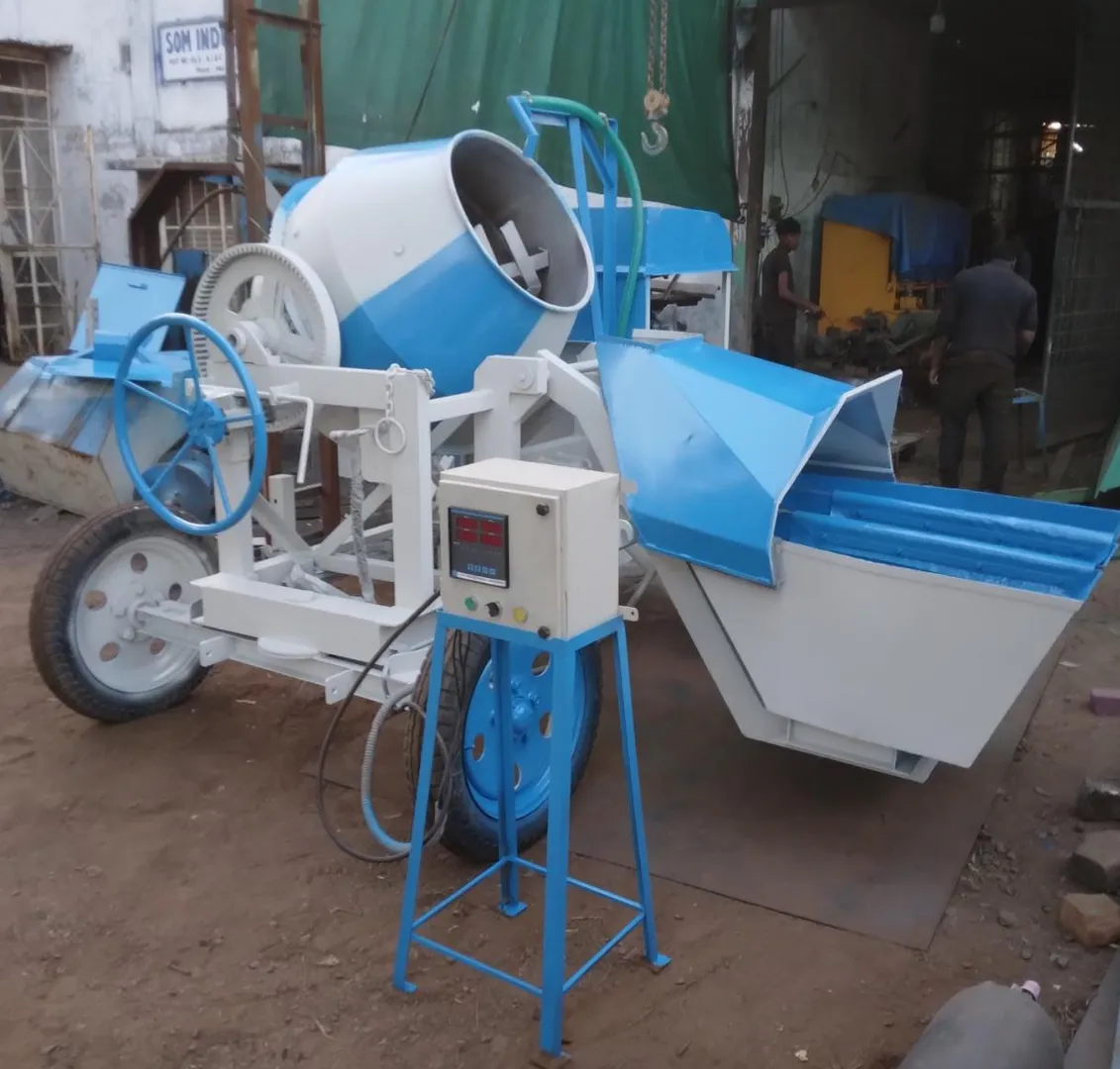
Concrete mixers are essential equipment for construction projects, allowing for the efficient mixing and transportation of concrete. Here are some key points to consider:
Types of Concrete Mixers:
1. Drum Mixers: Most common type, uses a rotating drum to mix materials.
2. Pan Mixers: Uses a stationary pan and rotating blades to mix materials.
3. Continuous Mixers: Mixes materials continuously, often used for large-scale projects.
4. Self-Loading Mixers: Can load and mix materials without additional equipment.
Factors to Consider:
1. Capacity: Choose a mixer that matches your project's concrete demands.
2. Power Source: Electric, diesel, or gasoline-powered mixers available.
3. Mobility: Consider mixers with wheels or tracks for easy transportation.
4. Maintenance: Regular maintenance ensures optimal performance and longevity.
Budget-Friendly Options:
1. Renting: Rent mixers for short-term projects to save on purchase costs.
2. Used Mixers: Consider purchasing used mixers or refurbished equipment.
3. DIY Mixing: For small projects, manual mixing or using a portable mixer can be cost-effective.
Remember to prioritize safety, efficiency, and durability when selecting a concrete mixer for your project. If you have specific questions or need further guidance, feel free to ask!
Types of Concrete Mixers:
1. Drum Mixers: Most common type, uses a rotating drum to mix materials.
2. Pan Mixers: Uses a stationary pan and rotating blades to mix materials.
3. Continuous Mixers: Mixes materials continuously, often used for large-scale projects.
4. Self-Loading Mixers: Can load and mix materials without additional equipment.
Factors to Consider:
1. Capacity: Choose a mixer that matches your project's concrete demands.
2. Power Source: Electric, diesel, or gasoline-powered mixers available.
3. Mobility: Consider mixers with wheels or tracks for easy transportation.
4. Maintenance: Regular maintenance ensures optimal performance and longevity.
Budget-Friendly Options:
1. Renting: Rent mixers for short-term projects to save on purchase costs.
2. Used Mixers: Consider purchasing used mixers or refurbished equipment.
3. DIY Mixing: For small projects, manual mixing or using a portable mixer can be cost-effective.
Remember to prioritize safety, efficiency, and durability when selecting a concrete mixer for your project. If you have specific questions or need further guidance, feel free to ask!
Keywords